Harrow & Wealdstone station: Moving-day route and tips
Posted on 07/05/2026
Harrow & Wealdstone station: Moving-day route and tips
Moving day is rarely just about boxes, tape, and muscle. If your route involves Harrow & Wealdstone station, the timing, loading point, and street layout can matter as much as the van itself. A short journey can still turn into a frustrating one if you meet busier roads, awkward parking, or a last-minute lift in a crowded area. That is why a clear moving-day route and a few practical habits can make a real difference.
This guide breaks down how to plan the approach, what to watch for near the station, and how to keep the move calm and controlled. Whether you are relocating from a flat, a family home, student accommodation, or an office nearby, you will find route-planning tips, packing advice, and sensible local moving decisions that save time on the day.
If you are also tightening up the rest of the move, a few preparation pieces can help in the background. For example, our guides on packing for a smoother move and decluttering before moving are useful companions to this route-focused article.
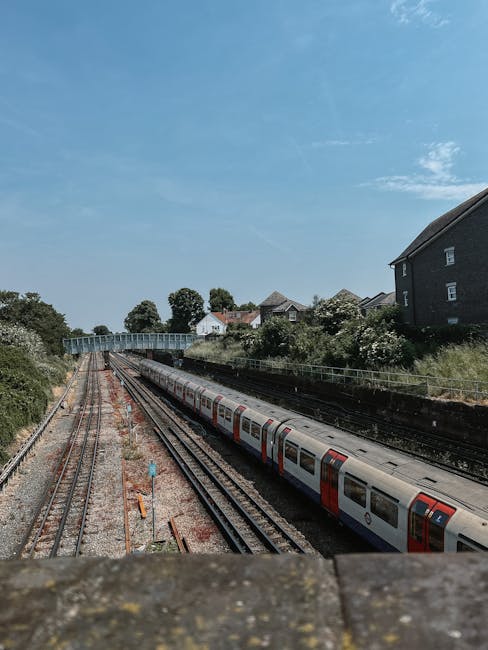
Why Harrow & Wealdstone station moving-day route planning matters
The area around a busy station is not the place to improvise. You are dealing with commuter flow, buses, pedestrian crossings, taxis, and the simple fact that vans need room to stop safely. Even when the actual travel distance is short, the loading and unloading parts of the move can eat up time if the route has not been thought through.
For many people, Harrow & Wealdstone station acts as a reference point rather than the exact origin or destination. That still matters. Station-adjacent streets often have heavier foot traffic, tighter parking, and more pressure on kerb space than quieter residential roads. In a move, those pressures show up immediately: a van that cannot wait where you expected, an item carried farther than planned, or a delay caused by local traffic just as you thought you were nearly done.
There is also the stress factor. Moving is already a day of decision-making, noise, and constant small adjustments. A good route plan reduces that mental load. Instead of figuring things out on the pavement with a sofa half out the door, you know where the vehicle should stop, who carries what, and which path the team uses to enter and exit the property.
Expert summary: the best moving-day routes are not just the shortest ones. They are the routes that minimise waiting, reduce carrying distance, avoid obstructions, and keep everyone safe.
That is especially true if you are moving larger household items. Our article on moving beds and mattresses more easily shows how item size can affect route choice, lift planning, and vehicle loading order.
How Harrow & Wealdstone station moving-day route and tips works
A sensible route plan starts before the van arrives. You look at the journey from three angles: the vehicle route, the walking route from the property to the van, and the loading sequence inside the van. When those three pieces fit together, the day usually feels far easier.
1. Vehicle route
This is the road journey itself. Around a station area, the practical question is not only which road is shortest, but which one is easiest for a medium-sized removal van to use at the expected time of day. A route that looks neat on a map may be poor in reality if it passes through congested junctions, narrow side roads, or places where temporary stopping is difficult.
2. Access route from door to vehicle
This is the walking or carrying path. Can you get a trolley through the entrance? Is there a front step, shared hallway, or narrow gate? Can the van stop close enough to avoid repeated long carries? These details often matter more than the driving distance, because repeated carrying is where people lose energy and increase the chance of damage.
3. Loading order
Your loading sequence should reflect both item priority and space management. Heavy, stable items usually go in first. Fragile boxes, odd-shaped items, and anything you need quickly should be placed where they can be reached without unpacking half the van. If you are moving furniture, it helps to read practical advice on why professional piano moving is usually safer than DIY and how to handle bed and mattress moves efficiently.
In practice, route planning near Harrow & Wealdstone station is often about sequencing. You are not only asking, "How do we get there?" You are asking, "How do we get there, stop safely, load quickly, and leave without having to redo work?"
Key benefits and practical advantages
A good moving-day route around the station area delivers more than convenience. It creates a safer, calmer, and more predictable move. Here are the main advantages.
- Less wasted time: fewer parking searches and fewer stop-start delays.
- Shorter carrying distances: easier on your back and faster overall.
- Lower damage risk: fewer chances of bumping walls, doors, or items while carrying.
- Better team coordination: everyone knows where to stand, where to load, and what comes next.
- Less public disruption: useful when moving in a shared street, apartment block, or near busy pedestrian routes.
- More predictable costs: fewer delays often mean better use of booked time and labour.
The benefit is especially noticeable for flat moves, student moves, and small office removals. A 20-minute delay may not sound huge, but if it happens three times during the day, it changes the whole rhythm of the move. If you are booking a service, looking at a man with a van service or a broader removal service can help you match the vehicle and crew to the route conditions.
There is also a practical comfort factor. People tend to make better decisions when they are not rushed. That sounds obvious, but in moving, obvious things are the ones that get missed.
Who this is for and when it makes sense
This kind of planning is useful for almost anyone moving near a rail interchange, but it is particularly valuable in a few situations.
Flat and apartment movers
If you are in a flat above ground level, a route that reduces carrying distance is a big win. Shared entrances, lifts, intercoms, and stairwells can all affect timing. For this reason, people arranging flat removals often benefit from a pre-check of access and parking before the van is confirmed.
Students and short-term renters
Student moves are often compressed into a tight window. You might only have a few hours to clear a room, return keys, and move into the next place. That is where a compact route and a fast loading plan make a real difference. If this sounds familiar, take a look at student removals support for the kind of setup that keeps small moves efficient.
Families with full households
Family moves around a busy station area usually involve more volume, more furniture, and more coordination. A properly planned route helps with load order, child safety, and keeping important items accessible. In those cases, house removals are often the better fit than a one-off vehicle hire.
Office and business movers
If your move includes desks, IT equipment, filing, or stock, timing becomes critical. Business moves need a route that limits downtime and protects equipment. A focused office removals approach may be more suitable than a casual ad hoc arrangement.
It also makes sense for anyone with bulky or awkward items: pianos, large wardrobes, freezers, or sofas. The more awkward the item, the more route planning matters. And yes, that includes the "it will probably be fine if we just tilt it a bit" category, which is usually famous last words.
Step-by-step guidance
Here is a straightforward way to plan a move that involves Harrow & Wealdstone station or its surrounding roads.
Step 1: Map the route with the actual vehicle in mind
Start by thinking about the size of the van, not just the postcode. A bigger vehicle may need more room to turn, park, or reverse safely. If your move will involve repeated access to the road, identify where a van can stop without blocking traffic or forcing a long carry.
Step 2: Check access at both ends
At the collection point, note stairs, narrow corridors, low ceilings, shared hallways, or restricted entry points. At the destination, check if there is enough space for unloading. If either property has tricky access, tell the moving team in advance. That single conversation can save a lot of improvisation later.
Step 3: Decide what must travel together
Keep key items grouped by room or function. Kitchen boxes should not be scattered across the van just because they were packed first. Bedroom essentials, tools, documents, chargers, and kettle supplies should be easy to reach. If you are still sorting items, our guide on decluttering before a big move can help you reduce what you need to carry at all.
Step 4: Book the right service level
If your access is straightforward and the move is light, a smaller vehicle may be enough. If there is heavy furniture, long walking distance, or a tight completion window, a more structured removal service is a safer option. You can compare options via services overview and, if cost planning matters, use the pricing and quotes page to understand how enquiries are typically handled.
Step 5: Prepare the property before loading begins
Clear walkways, remove loose rugs, and protect floor edges if needed. Small household jobs often slow a move more than people expect. A cleaner, emptier route inside the property means fewer collisions and less delay. If you want a fuller prep routine, our pre-move house cleaning guide is a useful reference.
Step 6: Load in a stable order
Heavy and dense items go in first. Lighter, delicate, and frequently needed items go later. Use blankets, straps, and careful stacking to stop items shifting in transit. If the move includes a piano or similarly delicate heavy object, do not guess your way through it; the safest route is usually the professional one.
Step 7: Leave buffer time
Even the best route can meet a random delay. A delivery vehicle, pedestrian congestion, or a short access issue can change the plan. Build in a small time buffer so you are not rushed at the point when concentration matters most.
Expert tips for better results
These are the small, practical habits that usually make the biggest difference.
- Use one loading point if possible. Constantly shifting the van position wastes time and increases confusion.
- Label boxes by room and priority. This makes unloading faster and helps avoid the "where did the kettle go?" moment.
- Keep a clear path from the front door. It sounds basic, but clutter in the hallway slows every single trip.
- Protect fragile furniture before moving day. A sofa corner caught on a doorframe is a frustratingly common problem. Our article on sofa storage and protection has useful handling ideas that translate well to moving day too.
- Use proper lifting technique. Bend at the knees, keep the load close, and avoid twisting while carrying. If you are moving heavier items yourself, this guide on kinetic lifting and safer handling is worth a look.
- Don't leave your fridge or freezer preparations to the last minute. If appliances are part of the move, plan for defrosting, cleaning, and safe transport. This is one of those jobs everyone thinks they will "just do later." Later arrives quickly.
One more thing: if you are moving solo or with very few helpers, keep the route even simpler. A smaller vehicle, lighter load, or staged move can be smarter than trying to do everything in one heroic trip. We cover that idea more deeply in how to handle heavy lifting more safely.

Common mistakes to avoid
A few recurring errors can turn a straightforward move into a drawn-out one. Most of them are avoidable.
- Ignoring parking and stopping constraints. If the van has nowhere to stop, every carry gets longer and slower.
- Underestimating station-area traffic. Quiet-looking side streets can still be awkward at the wrong hour.
- Packing without a loading plan. Randomly filled boxes are harder to unload and harder to stack safely.
- Leaving fragile items loose. The van may brake smoothly, but a loose item still moves.
- Not measuring large furniture. A sofa or wardrobe that fits inside the house still needs a realistic exit path.
- Forgetting to tell movers about access issues. No one enjoys discovering a narrow stairwell at the last second.
- Trying to do too much in one trip. A second trip is often cheaper than a damaged item or an injured back.
The simplest mistake of all is assuming the route is someone else's problem. On moving day, route and packing decisions are connected. If the route is awkward, the packing and loading need to be smarter. If the load is large, the route needs to be cleaner.
Tools, resources and recommendations
You do not need a truckload of specialist equipment, but a few basic items help enormously.
- Furniture blankets or moving pads for sofas, tables, and wardrobes
- Ratchet straps or tie-downs to stop movement in transit
- Trolley or sack barrow for boxes and heavier household items
- Marker pens and labels for room-by-room organisation
- Strong tape and box cutters for quick, tidy packing and unpacking
- Gloves with a good grip for safer handling
- Phone charge and route notes so contact and directions are always available
For people who want a fully supported move, it can also help to compare local service pages. Depending on the job, man and van support, a dedicated removal van, or full removals may be the better fit. If you need storage between addresses, storage options can also reduce pressure on the moving day schedule.
When packing materials are involved, a dedicated supply page such as packing and boxes is helpful for avoiding a last-minute scramble for clean cartons and protective materials.
Law, compliance, standards and best practice
Most household moves are straightforward, but there are still a few practical standards worth respecting. The key point is not to block roads, create unsafe loading conditions, or ignore building access rules. If you are moving from a managed property, ask about lift bookings, loading bay arrangements, or time restrictions well before the day.
If you are using a removal company or a man-and-van provider, ask sensible questions about insurance, handling processes, and item protection. Good providers should be comfortable explaining how they manage risk, particularly for furniture, valuables, and awkward items. Our pages on insurance and safety and health and safety policy are useful references for the sort of standards you should expect.
For shared buildings, do not assume you can use hallways, lifts, or kerb space as you please. Best practice is to check with the landlord, managing agent, or building contact if access is controlled. That protects both your move and your relationship with neighbours. If you are planning a commercial relocation, it is also wise to confirm any site-specific rules before the first item is moved.
Finally, if sustainability matters to you, think ahead about what is being moved and what is being discarded. Reusing, donating, or recycling items before move day can reduce the volume carried through the station area and make the day cleaner from start to finish. Our recycling and sustainability page covers that mindset well.
Options, methods, and comparison table
Not every move near Harrow & Wealdstone station needs the same approach. The right choice depends on volume, access, budget, and how much pressure you want to remove from the day.
| Method | Best for | Strengths | Watch-outs |
|---|---|---|---|
| Self-move with hired van | Small loads, flexible timing | Lower upfront cost, full control | You handle loading, route planning, and lifting yourself |
| Man and van | Medium loads, local moves, mixed furniture | Flexible, practical, often good for tight access | May not suit very large or highly complex moves |
| Full removal service | Households, offices, bulky furniture, time-sensitive moves | More support, less physical strain, better for structured moves | Usually costs more than a basic vehicle-only option |
| Staged move with storage | Moves with timing gaps or downsizing | Reduces pressure on the moving day itself | Needs extra coordination and storage planning |
If you are comparing service levels, think about the most difficult item first, not the easiest one. A move with one piano, one large sofa, or one awkward staircase can need a higher level of support than the rest of the property suggests. For those special cases, the relevant local pages for furniture removals and piano removals are a sensible starting point.
Case study or real-world example
Consider a typical one-bedroom flat move near the station. The resident has a bed frame, mattress, two chests of drawers, several boxes, a desk chair, kitchen cartons, and a medium sofa. On paper, that sounds manageable. In practice, the building has a shared entrance, the street outside is busy at commuter times, and the nearest parking space is not directly in front of the building.
The first attempt might have been to aim for a van stop directly outside the door. But once the route was checked in advance, the better plan was to arrive slightly earlier, use a safer stopping point, and carry boxes in smaller batches rather than making one heavy trip after another. The sofa was wrapped properly, the mattress was loaded after the heavier boxes to prevent crush damage, and the essentials bag stayed with the mover instead of going into the back of the van.
The move finished more smoothly than it would have done with a purely "turn up and see" approach. The lesson was simple: a slightly better route and a little more structure saved time, avoided unnecessary carrying, and reduced stress for everyone involved.
This is where good preparation pays off. If you want to go further, read our guides on streamlining a house move and keeping the move calmer from start to finish. The principles are the same even when the location changes.
Practical checklist
Use this checklist the day before, and again on the morning of the move.
- Confirm the collection and delivery addresses
- Check the van size matches your load and access
- Identify the safest stopping point near the property
- Tell the movers about stairs, lifts, gate codes, or parking limits
- Pack an essentials bag with documents, charger, keys, and toiletries
- Label boxes by room and priority
- Wrap furniture edges and fragile items
- Clear hallways, doorways, and the route to the exit
- Keep drinks, snacks, and a small first-aid kit handy
- Leave a buffer for traffic or access delays
- Photograph meter readings and any item condition if needed
- Do a final walk-through before locking up
Quick takeaway: if the route, parking, packing, and load order all point in the same direction, the move becomes easier than you expect.
Conclusion
Harrow & Wealdstone station may only be one point on your map, but it can shape the whole moving experience if your route runs through the surrounding area. The best approach is simple: plan the vehicle access, shorten the carry where possible, pack in a logical order, and leave enough room for delays. That combination protects your time, your belongings, and your energy.
If you remember nothing else, remember this: a well-planned move is usually less about speed and more about control. Once the route is clear and the loading plan makes sense, the rest of the day tends to follow suit.
For a move that feels properly organised from the first box to the final unload, it is worth comparing your options early and choosing the level of support that suits the property, the items, and the route.
Get a free quote today and see how much you can save.