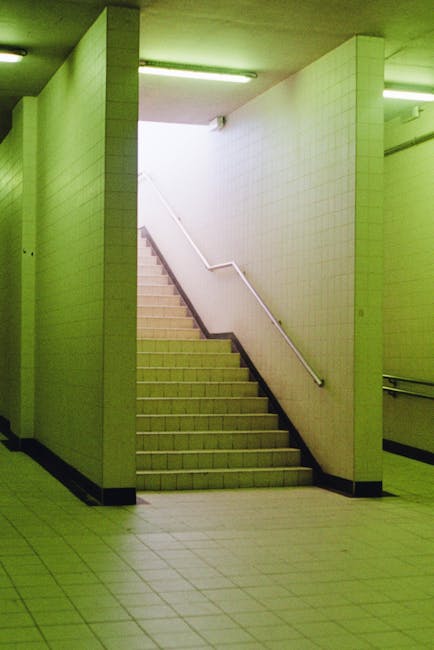
Wealdstone estate moves: Flats, staircases and access
Posted on 06/05/2026
Moving in Wealdstone can look simple on paper and then suddenly feel very different once you meet the reality of a top-floor flat, a narrow stairwell, a heavy sofa, and a front door that only opens so far. That is exactly why Wealdstone estate moves: Flats, staircases and access deserve a proper plan, not a last-minute guess. If you are dealing with an estate apartment, shared hallway, awkward lift, or tight access around parked cars, the details matter more than you might expect.
This guide walks through the practical side of flat moves in Wealdstone: what access issues really mean, how staircases affect the move, what to prepare before moving day, and how to avoid the kind of small mistakes that turn into big delays. It also explains when a local removals team can make life much easier, especially if you are juggling furniture, boxes, and the usual moving-day chaos. Lets face it, moving is rarely elegant.
To make this genuinely useful, we will keep it grounded in real-world situations: older blocks, shared entrances, stairwells with awkward turns, and the kind of estate layouts where one blocked landing can slow the whole job. You will also find links to helpful resources on packing, lifting, furniture protection, and local moving support, so you can build a more complete plan rather than just crossing your fingers and hoping for the best.
Why Wealdstone estate moves: Flats, staircases and access Matters
Flat removals are not just smaller versions of house removals. The whole movement changes once stairs, shared corridors, entry codes, lift bookings, parking restrictions, and neighbour access come into play. A ground-floor move with a wide driveway is one thing. A third-floor flat with a bend in the stairwell is another altogether.
In Wealdstone, many moves involve estate buildings where access is shared and space is limited. That means timing matters. It means the route from the van to the front door matters. It also means the size of your furniture matters more than people expect. A wardrobe that was fine in a larger house can suddenly become a problem if it cannot turn on the landing.
Why does this matter so much? Because most move-day problems are not dramatic. They are small and cumulative: a trolley cannot fit, a box stack blocks the hallway, the lift is busy, or a parking bay is too far from the entrance. One tiny delay leads to another, and suddenly the whole day runs late. That is the bit people do not see when they first book a move.
There is also a safety angle. Staircases are not friendly to bulky items, especially if the item is awkwardly balanced or the route is slightly cramped. One slip, one scraped wall, one overconfident lift, and you have a headache nobody wanted. If you have already read about safe lifting technique, you will know how quickly poor handling becomes a real problem.
For residents, landlords, students, and families in local flats, access planning is a practical necessity. Truth be told, it is one of the easiest ways to save time, stress, and avoidable damage.
How Wealdstone estate moves: Flats, staircases and access Works
A well-run flat move starts long before the van arrives. First, the route is assessed. That means looking at the building entrance, stair width, lift availability, parking distance, internal turns, and whether any large items need partial dismantling. It sounds simple, but this is where most of the planning lives.
Here is the basic flow of a typical estate flat move:
- Access is checked before moving day, including parking, entrance points, and any building rules.
- Items are grouped by room and by size so the team knows what needs special handling.
- Protective equipment is prepared, such as blankets, straps, covers, and floor protection.
- Large furniture is measured or dismantled if stair turns or door frames look tight.
- The loading sequence is planned so the most awkward pieces move first, while everyone is fresh.
- Items are moved carefully using the safest route, with attention to walls, corners, and stair edges.
- Unloading is done in order so rooms are not clogged with boxes and furniture at the new place.
On an estate, access can be the deciding factor. Some blocks have lifts that are fine for boxes but not ideal for a large sofa. Others have stairs that are technically usable but not comfortable for a mattress, freezer, or bed frame. If you are dealing with bulky household items, it is worth reading the guides on bed and mattress moving and sofa protection and preservation before the day comes around.
There is also the simple matter of human traffic. Shared buildings have people coming and going. A move through a communal hallway at peak time is never as smooth as one done early in the morning or at a pre-arranged time slot. That is why timing and communication are not optional extras; they are part of the job.
Key Benefits and Practical Advantages
When estate access is planned properly, the benefits are immediate. The day feels calmer, the move runs faster, and the risk of damage drops. You also tend to use fewer trips, which matters when parking is limited or the walk from the van is longer than you expected.
- Less stress on moving day because everyone knows the route and the order of operations.
- Lower risk of damage to walls, bannisters, lift interiors, and furniture edges.
- Better use of time, especially where stair access slows the pace.
- Safer handling for heavy or awkward items.
- Cleaner handover when belongings are organised and the property is left tidy.
- Fewer surprises from hidden access issues, like tight corners or restricted parking.
Another practical benefit is confidence. When you know the route will work, you can focus on the smaller details: labels, keys, utilities, and the inevitable box containing chargers that somehow goes missing for two hours. That bit happens to almost everyone.
If your move includes items like a piano, freezer, or specialist furniture, planning becomes even more valuable. A quick read of why piano moves should not be DIY is a good reminder that some tasks need the right equipment, not just determination.
Who This Is For and When It Makes Sense
This topic matters for anyone moving into or out of a flat in Wealdstone, but some groups feel the pressure more than others. Students, renters, first-time buyers, landlords, and older residents often need a move that is quick, careful, and not overly disruptive. Estate buildings can make that a bit trickier.
You will likely benefit from a planned access-led move if any of the following apply:
- You live above ground floor level.
- Your building has narrow staircases, sharp turns, or no lift.
- You have large furniture, a mattress, or a fragile item to move.
- Parking is limited outside the block.
- You need to move on a tight deadline, perhaps between tenancies.
- You are coordinating with building managers, neighbours, or concierge arrangements.
- You simply do not want to spend the day sweating over a sofa in a stairwell. Fair enough, really.
Students often underestimate how much access affects the move. A top-floor room in a shared block may look manageable until the final round of boxes, lamps, and awkward desk pieces appears. If that sounds familiar, it may be worth looking at student removals in Wealdstone as a more practical option than trying to wing it with a few friends and a borrowed car.
For families and larger households, the same logic applies but the scale is bigger. More items means more trips and more chances for something to snag on a bannister or wall. And if you are moving from a house into a flat, access planning often becomes the hidden challenge nobody fully budgeted for.
Step-by-Step Guidance
Here is a sensible way to approach a Wealdstone estate move without losing the thread halfway through.
1. Assess the access first
Walk the route from the street to the flat. Check stairs, lifts, door widths, and turns. If you can, measure the largest items against the tightest points. You do not need to turn it into a science project, but a couple of measurements can save a lot of grief.
2. Speak to the building team early
Ask about lift bookings, moving windows, parking permissions, and any building rules. Some estates want advance notice. Others may ask that communal areas are kept clear. Better to know now than when you are standing there with a sofa and nowhere to put it.
3. Sort and reduce what you are moving
Before anything is carried, reduce the load. Decluttering is one of the smartest ways to make stair-heavy moves easier. If you want a structured approach, the guide on decluttering before changing houses is a useful place to start.
4. Pack for easy handling
Use smaller boxes for heavy items, keep fragile items separated, and label boxes by room and priority. Good packing matters even more in flats because boxes often need to be carried further and stacked more carefully. For a fuller method, see how to pack wisely for a smoother move and the site's packing and boxes support in Wealdstone.
5. Prepare large furniture properly
Disassemble beds, remove table legs if needed, empty drawers, and protect corners. Bulky items are far easier to move when they are reduced into manageable parts. This is especially useful for wardrobes, bed frames, and sofas.
6. Book the right vehicle and help
Not every move needs a huge lorry, but not every job can be done with a small van either. If access is tight, a nimble vehicle and a crew who understand flat moves are usually a better fit. The difference between man and van support and a larger removal van service can matter more than people think.
7. Clear the route on the day
Hallways should be unobstructed. Doors should be held open safely where appropriate. Pets, children, and visitors should stay clear of the moving path. It sounds obvious. In the middle of a rush, though, obvious things are the first to disappear.
8. Load in a sensible order
Load the van so the biggest and most awkward pieces are secure, then build around them with boxes and lighter items. This helps prevent damage and makes unloading more efficient at the new address.
9. Keep an eye on the finishing details
Once the furniture is in, check for wall marks, missing items, and anything that needs reassembly. Then take a breath. You have earned it.
Expert Tips for Better Results
Small decisions make the biggest difference on staircase-heavy moves. Here are the things that usually separate a stressful day from a workable one.
- Move large items before the boxes if stair space is tight. It is usually easier to navigate the biggest pieces before the route becomes cluttered.
- Use soft protection on contact points such as bannisters, door frames, and corners.
- Pre-label by room and floor so unloading is faster and the team is not guessing where each box belongs.
- Keep one essentials bag separate with keys, chargers, documents, water, snacks, and basic toiletries.
- Book a sensible time slot if building access is busy or parking is tight.
- Check item dimensions before moving day because "it will probably fit" is not a plan. Not really.
- Take photos of complex furniture before dismantling so reassembly is less awkward later.
If you are moving anything particularly heavy by yourself, take that seriously. There is plenty of advice out there, including the guide on solo heavy lifting, but the honest answer is that some items are better handled with help. A staircase does not care about bravado.
One small practical tip: keep a roll of tape and a marker near the front door. It sounds basic, almost too basic, but it saves time when last-minute labels need changing or a box gets redirected.
Common Mistakes to Avoid
Most access problems are preventable. They happen because people assume the move is straightforward until the first awkward corner proves otherwise.
- Not checking stair width properly and discovering too late that the item will not turn.
- Ignoring lift restrictions or forgetting to book the lift in advance.
- Leaving parking to chance on a street where every space already looks taken.
- Overpacking boxes, especially books, kitchenware, and files.
- Failing to empty or defrost appliances before the move. If you are taking a freezer, the article on preventing freezer damage when not operational is worth a look.
- Trying to move fragile or awkward furniture without protection.
- Forgetting the access route at the new property and assuming it will be easier than the old one.
One of the sneakiest mistakes is underestimating the stairs themselves. A staircase can be wide enough at the base and then suddenly pinch at the turn. It only takes one tight landing to change the whole plan.
Another common one: people pack beautifully and still lose time because the flat has no clear loading point. If the van cannot park near the entrance, even a well-packed move becomes a longer haul. That is why access planning and packing need to work together, not separately.
Tools, Resources and Recommendations
You do not need a garage full of specialist kit to manage a flat move well, but a few tools make a big difference.
| Tool or Resource | What It Helps With | Why It Matters in Flat Moves |
|---|---|---|
| Furniture blankets | Protecting walls and item surfaces | Useful in narrow corridors and stairwells |
| Straps and trolleys | Safer handling of heavy pieces | Reduces strain on steps and landings |
| Strong tape and marker pens | Clear labelling | Saves time when boxes arrive in a pile |
| Door protectors or floor runners | Minimising scuffs and dirt | Common hallways show marks quickly |
| Online moving checklist | Keeping tasks in order | Useful when you are managing keys, parking, and packing at once |
For a calmer move overall, the guide on building a stress-free moving strategy ties in well here. And if your move is more furniture-heavy than average, the dedicated furniture removals service in Wealdstone is worth considering.
There is also a wider set of local services if you need something more tailored, from flat removals to full removals in Wealdstone. If you are comparing providers, the services overview and removal services page are sensible starting points.
Law, Compliance, Standards, or Best Practice
For most home moves, the key concerns are practical and safety-related rather than highly technical. Still, there are a few standards and expectations worth keeping in mind.
First, building rules matter. Many estates and blocks have their own procedures for lift use, moving times, noise, and communal access. These are not national laws, but they are often enforced by landlords, managing agents, or residents' associations. It is best to check them early and follow them carefully.
Second, safe manual handling is essential. UK best practice expects lifting to be done with care, using appropriate technique and equipment where needed. If a piece is too heavy, too bulky, or too awkward for one person, it should not be forced. That is not just common sense; it is how injuries and damage are avoided.
Third, public safety and property protection matter in shared spaces. Communal hallways, stairwells, and entrances should be kept as clear as possible during the move. If temporary protection is needed for floors or corners, use it. Clean, careful movement is not just about appearances; it helps everyone in the building.
If you want a wider sense of the company's approach to protection and responsibility, the pages on health and safety, insurance and safety, and accessibility are useful support reading. They help set expectations around care, communication, and service standards.
For sensitive booking and payment questions, the pages on pricing and quotes and payment and security provide the kind of practical reassurance people often want before committing.
Options, Methods, or Comparison Table
Different moves need different levels of support. A one-bedroom flat with a few boxes does not call for the same setup as a third-floor apartment with a sofa, bed frame, and tight stair access. Here is a simple comparison.
| Move Option | Best For | Pros | Limitations |
|---|---|---|---|
| DIY with friends | Very small loads and easy access | Low upfront cost, flexible timing | Higher physical strain, more risk on stairs, limited equipment |
| Man and van | Smaller flats, partial loads, short local moves | Simple, practical, good for quick access-led jobs | May not suit very large or complex moves without planning |
| Full removals team | Larger flats, heavy furniture, awkward staircases | More hands, better handling, faster loading and unloading | Usually more expensive than a minimal setup |
| Storage plus staged move | When access or timing is awkward | Reduces pressure, useful for phased transitions | Requires extra coordination and storage planning |
For many Wealdstone flat moves, a local man with a van or a more flexible man and van service is the sweet spot. For more demanding staircases, a larger team can save a lot of time and strain.
If you are dealing with timing pressure, the same-day removals option can also be relevant, though only if the access details are clear enough to keep everything moving smoothly.
Case Study or Real-World Example
Picture a typical Wealdstone move: a two-bedroom flat on an upper floor, a lift that can fit boxes but not a large sofa, and a stairwell that bends at the halfway landing. Nothing impossible, just the sort of job where planning matters more than brute force.
In a case like this, the team would usually start by identifying the awkward items first. The sofa might be measured and wrapped before moving day. The bed frame would be dismantled. Boxes would be labelled by room so they could be unloaded quickly without clogging the hallway. Parking would be arranged as close as possible to the entrance, even if that meant a short wait or an early arrival. Nothing dramatic. Just good preparation.
What usually makes the difference is the sequence. If the biggest items are moved first, the route stays clearer. If the boxes are moved too early, the staircase becomes a bottleneck. If the lift is ignored, the whole move can slow down while people argue about who is using it. Not ideal.
In another realistic scenario, a student moving from a shared estate flat may have fewer items but much tighter timing. One van load, a small set of boxes, a desk, a mattress, and a few bags. Even then, a poor access plan can waste a lot of time. A quick booking, a clear route, and a practical service choice can turn a tiring day into an ordinary one. That is a win.
If the move includes items that need extra care, such as a piano or a delicate sofa, it makes sense to use specialist support rather than improvising. A moving day should feel busy, not hazardous.
Practical Checklist
Use this checklist a few days before moving. It is simple on purpose.
- Confirm the flat number, access point, and moving date.
- Check whether a lift needs booking or notification.
- Measure large furniture and stair turns if needed.
- Ask about parking restrictions and loading access.
- Protect fragile items with proper packing materials.
- Empty, disconnect, or defrost appliances where required.
- Label boxes by room and priority.
- Keep essential documents, keys, and chargers with you.
- Clear hallways and shared areas before the team arrives.
- Prepare a plan for recycling, donation, or storage if items will not be moving straight in.
If you need a more organised start, the company's storage options can be useful when you are moving in stages, and the recycling and sustainability page is a helpful reference if you are clearing out items responsibly.
A quick cleaning pass also helps more than people realise. If you are leaving a flat, the guide on cleaning after moving out is a neat companion to this checklist.
Get a free quote today and see how much you can save.
Conclusion
Wealdstone estate moves are rarely about distance. They are about access. That is the real story. Once you understand how flats, staircases, shared spaces, and parking affect the job, everything becomes easier to plan and less likely to go wrong.
The best moves tend to be the quiet, organised ones: the ones where the route is checked, furniture is prepared, and everyone knows what happens first. It does not make the move glamorous. But it does make it far less stressful, and that counts for a lot when you are carrying boxes up stairs in the middle of a busy day.
So whether you are moving a few boxes from a studio flat or handling a full staircase-heavy apartment move, give access the attention it deserves. A little planning now can save a lot of awkward lifting later. And honestly, that is time and energy better spent settling into the new place.
Sometimes the smoothest move is simply the one that was thought through properly.